
02 Uncover sites, create projects
500 KURA PROJECT
500 development projects across Japan by 2031.
The 500 KURA PROJECT turns former factory and office sites, material yards, idle land and underused assets into grid-scale battery storage projects. We survey land and grid conditions to select the most promising sites, then move on to connection studies, land rights coordination and regulatory and permit checks.
How we count the 500
Collecting sites
Just a list of locations. Not counted.Checking land and grid
Not counted yet.Moved to connection study and rights coordination
Counted from here.
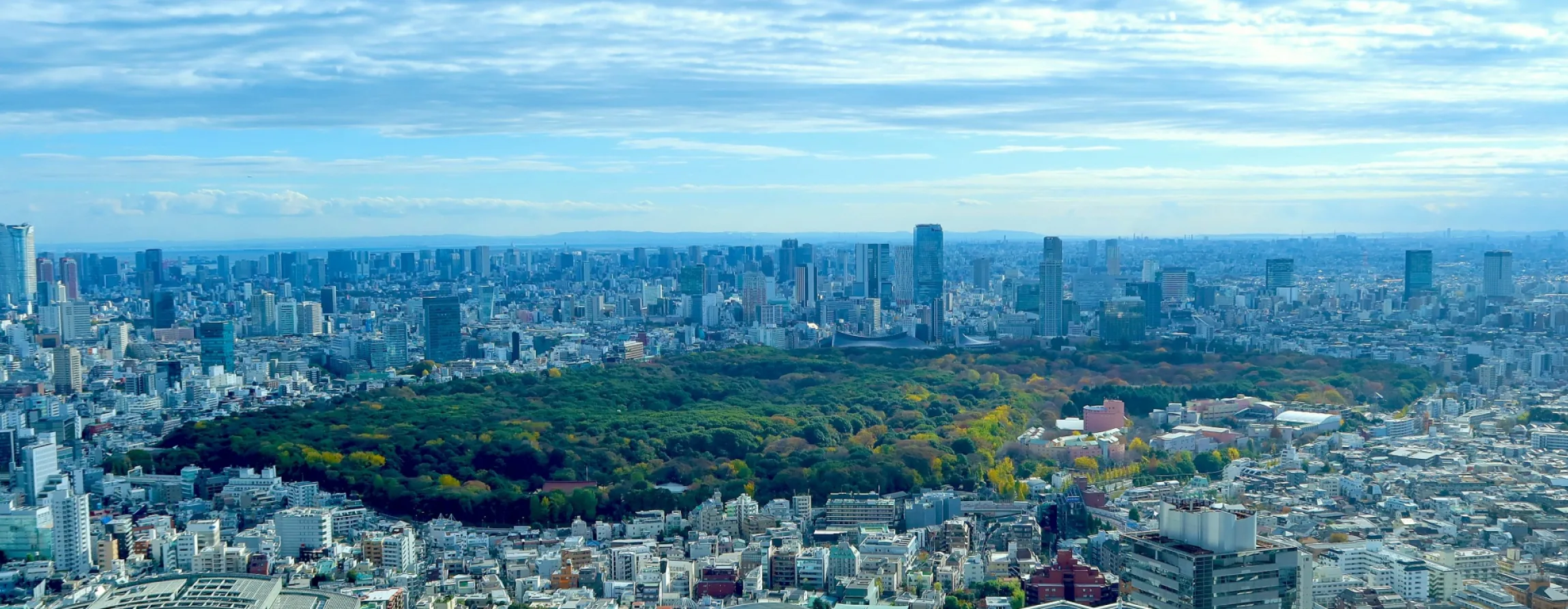
From Shinjuku Gyoen to all of Japan.
FY2019
Shinjuku Gyoen begins sourcing 30% of its power from renewables
FY2020
Shifts to 100% renewable power
2031
500 development projects across Japan
As renewable energy spreads, facilities that balance fluctuations in generation and demand become more important. From our base near Shinjuku Gyoen, GRiD DATA is creating battery storage projects across Japan.
A modern kura that stores electricity.
In Japan, a kura is a storehouse where communities have kept and protected what matters to them. We see grid-scale battery storage as a modern kura for electricity, and turn local land into new energy hubs.
Target sites
- Former factory and office sites
- Material yards and warehouse land
- Idle land owned by businesses
- Underused business assets
- Land near power plants or substations
- Property being considered for reuse
From site to project
1. Collect sites
We receive land information from companies, real estate firms and landowners.
2. Check land and grid
Using GIS and our own data, we check land use, surroundings, substations, transmission and distribution lines.
3. Site and regulatory survey
We look at road access, grading, surroundings, farmland rules, city planning and development permits.
4. Connection study and rights
We apply for a connection study with the transmission and distribution utility and coordinate the land rights needed.
5. Form the project
With partners in equipment, finance and operations, we decide the business plan: development, transfer or joint ownership.
Explore each project
- 01GRiD DATABattery storage sites and projects, made easy to compare.GRiD DATA is a listing platform for grid-scale battery storage sites with secured land rights and development projects.View More
- 02500 KURA PROJECT500 development projects across Japan by 2031.The 500 KURA PROJECT turns former factory and office sites, material yards, idle land and underused assets into grid-scale battery storage projects.Current
- 03Site Potential AssessmentDiscover new uses for corporate-owned land.We carry out an initial assessment of corporate-owned land using public information, geospatial data and power infrastructure data.View More
- 04GRiD100 PARTNERSThe right partners for every project.GRiD100 PARTNERS is a partner program that connects the companies needed to develop grid-scale battery storage.View More
